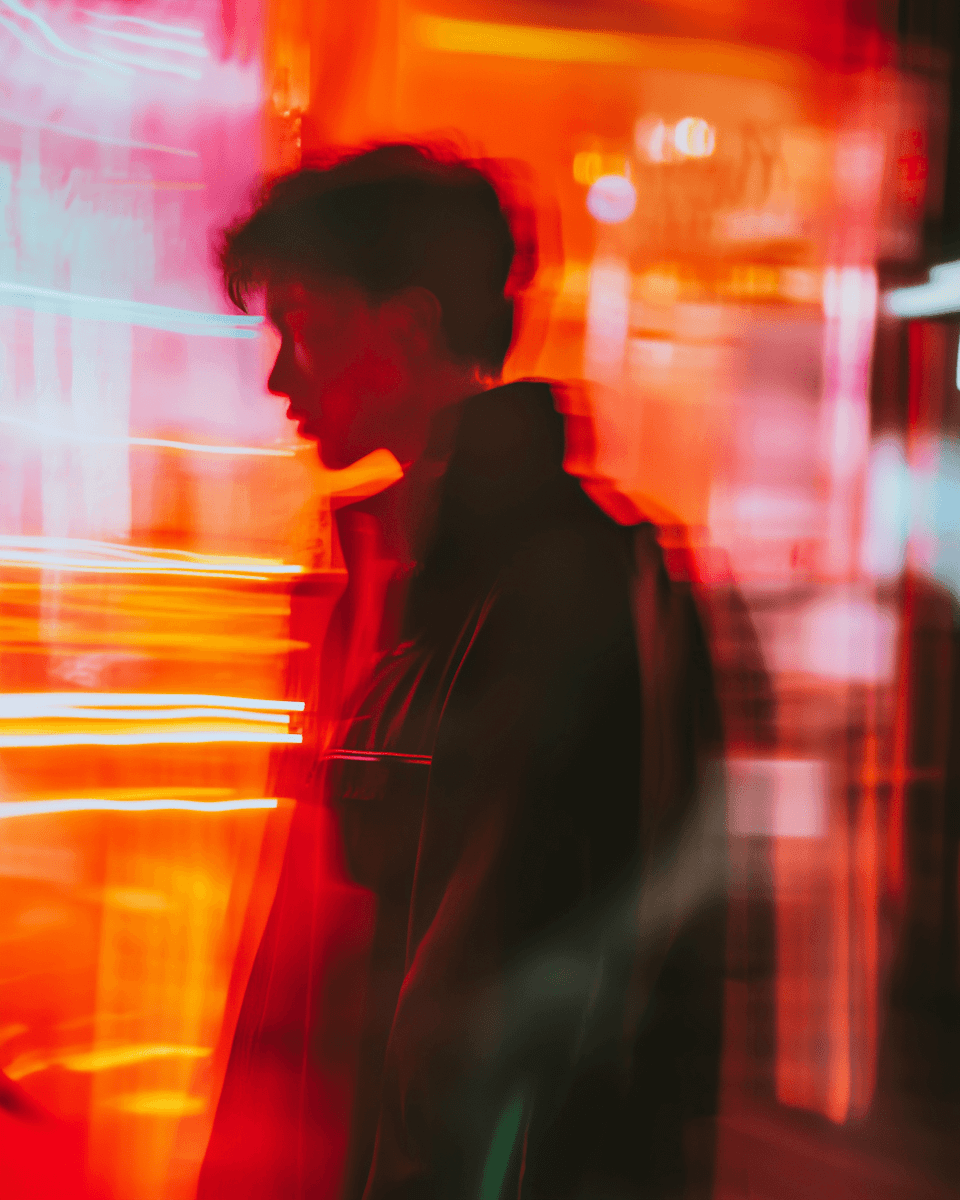
Design is no longer static. Interfaces move, brands animate, and visuals evolve over time. Motion has become an essential part of how users experience products and brands—not as decoration, but as a tool for clarity, feedback, and storytelling.
Motion guides attention
In a static layout, hierarchy is created through size, color, and position. With motion, time becomes part of the system.
Movement directs the eye. It shows where to look, what has changed, and what matters. A subtle transition can guide users through an interface without requiring explanation.
When used correctly, motion reduces effort. It replaces confusion with direction.
Feedback creates confidence
Users need to understand how a system responds to their actions.
Motion provides that feedback.
A button that reacts, a transition that confirms a change, a subtle animation that indicates progress—these signals make interactions feel responsive and reliable.
Without feedback, interfaces feel static and uncertain. With it, they feel alive and controlled.
Motion adds meaning, not decoration
Animation is often misunderstood as a visual enhancement.
In reality, its value lies in communication.
A transition between screens can explain relationships. A loading animation can indicate progress. A movement can reflect hierarchy or importance.
When motion is purely decorative, it distracts. When it is intentional, it clarifies.
Timing defines experience
Not all motion is effective.
The duration, speed, and rhythm of an animation directly impact how it is perceived. Too fast, and it feels abrupt. Too slow, and it becomes frustrating.
Well-designed motion feels natural. It aligns with user expectations and supports interaction rather than interrupting it.
Timing is what transforms movement into experience.
Consistency in motion systems
Just like visual design, motion requires consistency.
Transitions, easing, and behaviors should follow a defined system. This creates predictability and helps users understand how the interface behaves.
When motion is inconsistent, the experience feels fragmented. When it is aligned, it becomes part of the product’s identity.
Motion as a brand expression
Beyond functionality, motion plays a role in how a brand is perceived.
Subtle, refined animations can communicate precision and calm. Dynamic, fast movements can express energy and innovation.
Motion extends visual identity into time. It adds personality without relying on additional elements.
Designing with movement in mind
Modern design is no longer only about layout and visuals. It includes how elements appear, disappear, and interact over time.
Designing with motion requires intention. It means considering not only what users see, but how they experience change.
When motion is integrated thoughtfully, it enhances clarity, reinforces feedback, and creates a more engaging experience.